Sales are healthy, but the result is hard to explain.
Revenue alone cannot show whether item mix is helping, supplier changes are reflected in costs or service-hour productivity is improving. A clearer baseline helps separate the questions.

For restaurant & café owners and managers
A restaurant can be successful on the floor and difficult to read in the accounts. A café can have loyal morning trade and still struggle to match labour to the afternoon. Every menu, roster and guest-service decision affects another part of the business.
Elite Hospitality Solutions (EHS) is positioned to help Australian restaurant and café owners ask better operating questions and work towards informed decisions—connecting defined evidence with realistic options and management ownership rather than generic benchmarks.
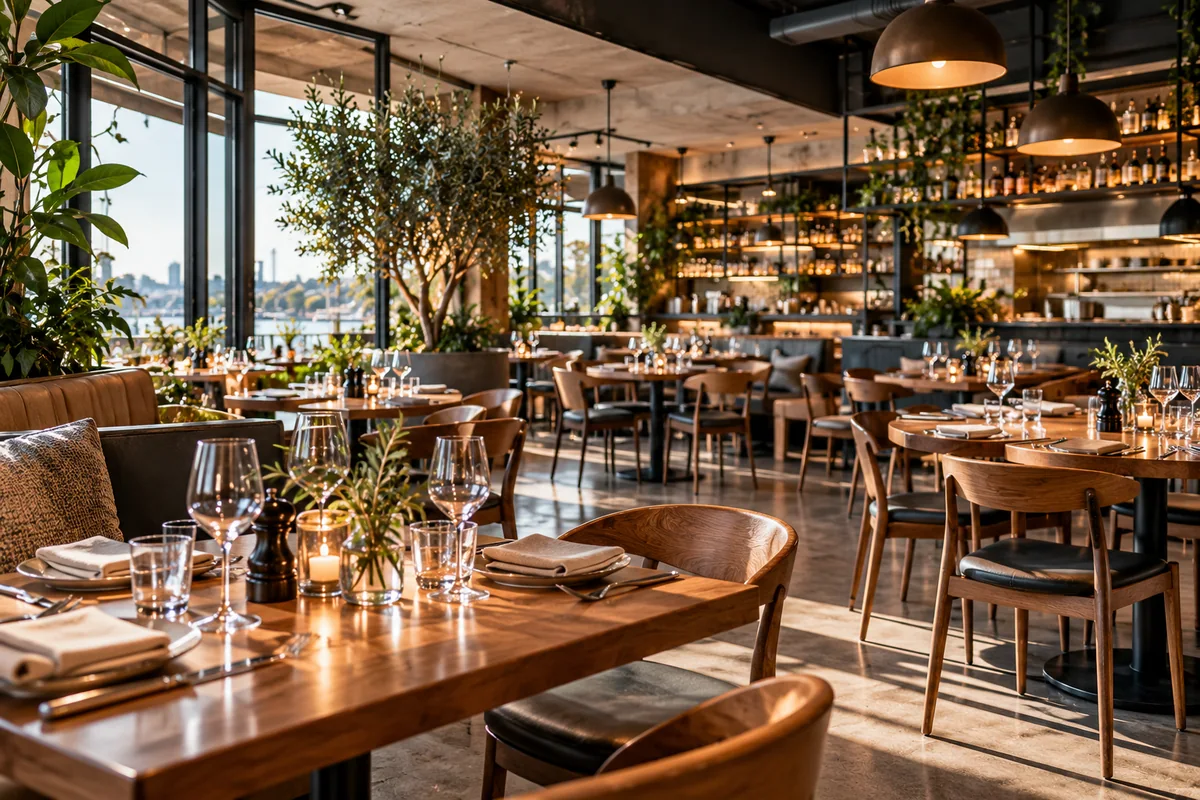
Does any of this sound familiar?
Revenue alone cannot show whether item mix is helping, supplier changes are reflected in costs or service-hour productivity is improving. A clearer baseline helps separate the questions.
Aggregate labour percentages can hide busy windows, skill gaps, handover issues and workload changes. First understand the pattern; do not assume the answer.
A recurring complaint may involve expectations, communication, operating pressure or recovery routines. Fair interpretation needs evidence and context.
When checks, handovers and management follow-up are weak, known issues can reappear from one shift to the next. Well-owned changes may be more useful than another large report.
Four connected questions
What contribution does the menu deliver after recipe cost, yield and sales mix?
Does staffing reflect demand and skills for each service period?
Which service promises are delivered, and what evidence supports the view?
How are actions handed over, checked and improved?
A menu change may affect preparation workload; a roster change may influence guest experience; weak reporting may disguise both.
Where to begin
A focused remote Snapshot may provide an initial evidence-ranked view of one venue with sufficient recent information. A Full Venue Performance Diagnostic may investigate a broader question when detailed records, management context or agreed observation are needed.
A specialist project may be considered when the scope and delivery capacity are appropriate. You do not need to purchase every service; scope should follow the decision.
Use the same period and a defined measure.
Read numbers alongside how work happens.
Decide who acts and how follow-up would be assessed.
The initial enquiry should describe the question only. Do not attach confidential restaurant reports or personal employee or customer information.
A small-group owner may want consistency in how locations define and review their numbers. EHS can discuss that operating question, but a formal multi-venue benchmarking service is not represented as currently available.
Evidence before assumption
Recommendations are more practical when management can see the source, period, assumptions, dependencies, responsible person and how any later change might be measured. Implementation and follow-up are included only where agreed.
Final invitation
Whether it concerns menu contribution, roster capacity, service consistency or management routines, begin by describing the problem and what you already know.